“The beauty of the zingarata is precisely this: the freedom, the flair, the desire. Much like love, it is born when it is born, and when it’s gone, it’s useless to insist. It’s just… gone.”
The zingarata is elevated here to an existential necessity: it is not a simple prank, but an impulse of freedom and flair, a spontaneous and unplanned escape from the monotony of adult life. By comparing it to love—which is born and dies without warning—its ephemeral yet vital nature is highlighted. The final “it’s gone” is not a defeat, but a melancholy acceptance of the end of all joy, which makes the moment of euphoria even more precious.
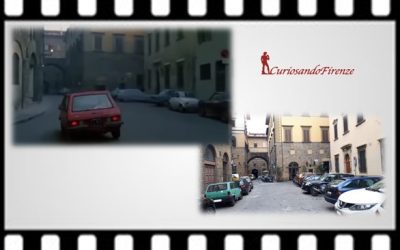
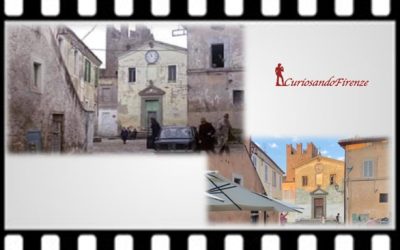
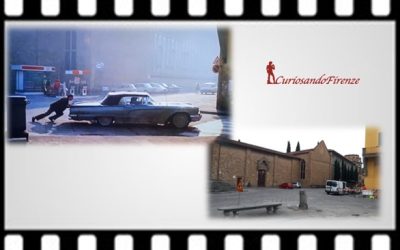
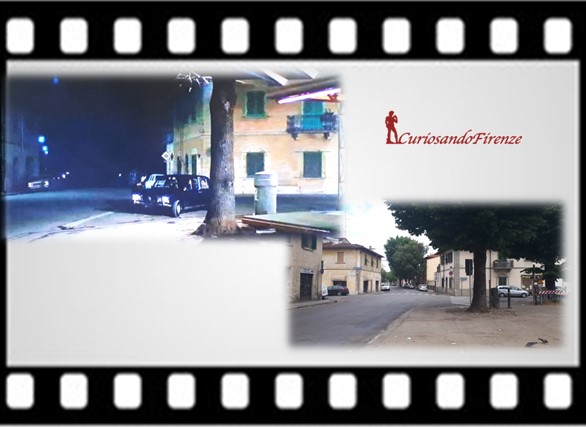
The scene is set in Piazza Niccolò Acciaiuoli, in Galluzzo.