“Well, Perozzi’s son is back! Only Perozzi’s son would put a raincoat on a car!”
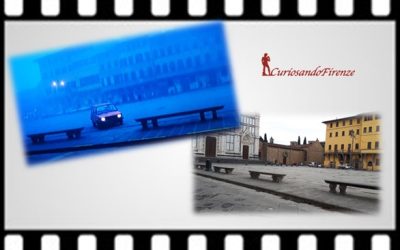
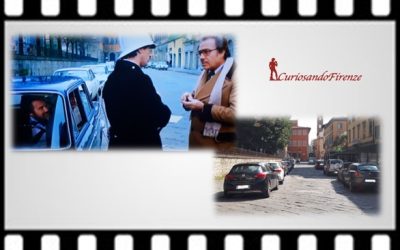
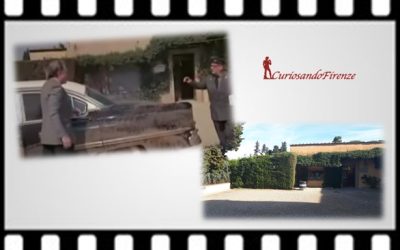
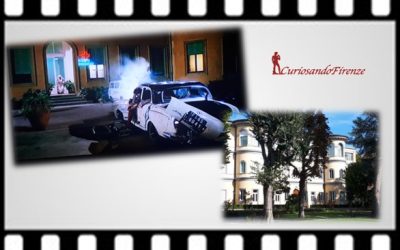
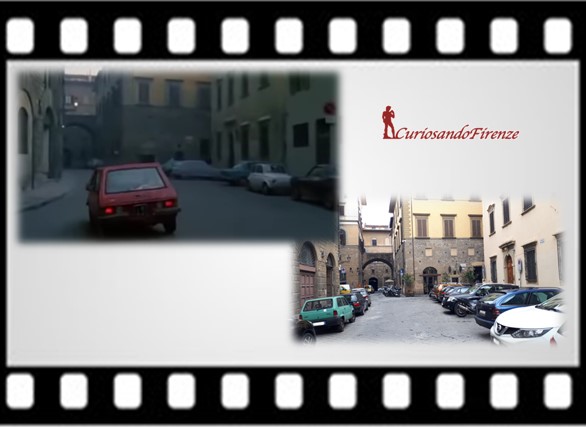
This line is delivered during a moment of sharp and disenchanted reflection on his son’s life. The scene unfolds as Perozzi, returning home, sees his son’s car covered in a scrupulous and obsessive manner, as if it were a monument to be protected from rain or dust.
“Perozzi’s son” (Luciano) represents the exact opposite of his father: he is the quintessence of seriousness, bourgeois parsimony, and the absence of joie de vivre. The joke about the “raincoat on the car” is a caustic critique of this mindset: a car is merely a material possession, and the excessive care his son lavishes upon it is perceived as an absurd fixation, reflecting his inability to enjoy life or to be a “zingaro” (a gypsy at heart).
Perozzi’s reaction, disgusted by such pedantry, is summarized in another of his famous, bitter reflections: “When I think about the flesh of my flesh, I instantly become a vegetarian.”
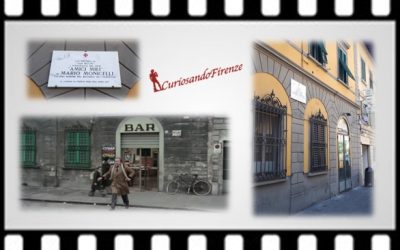
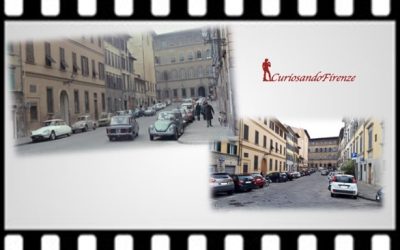
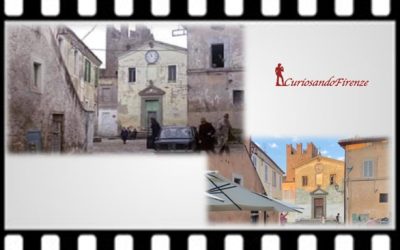
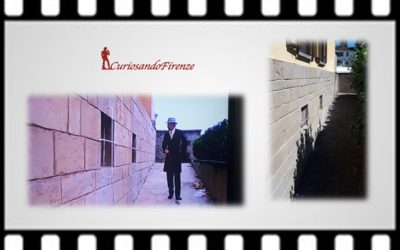
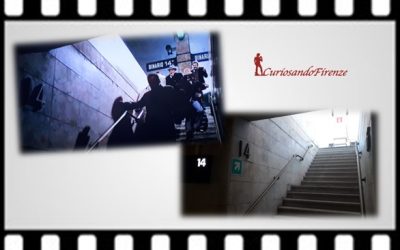
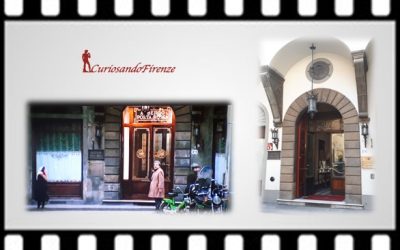
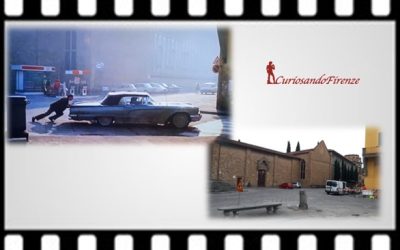
This generational clash underscores the film’s central theme: the friends’ struggle against boredom and bourgeois mediocrity, perfectly embodied by Perozzi’s son. The scene is located in Via dei Peruzzi.