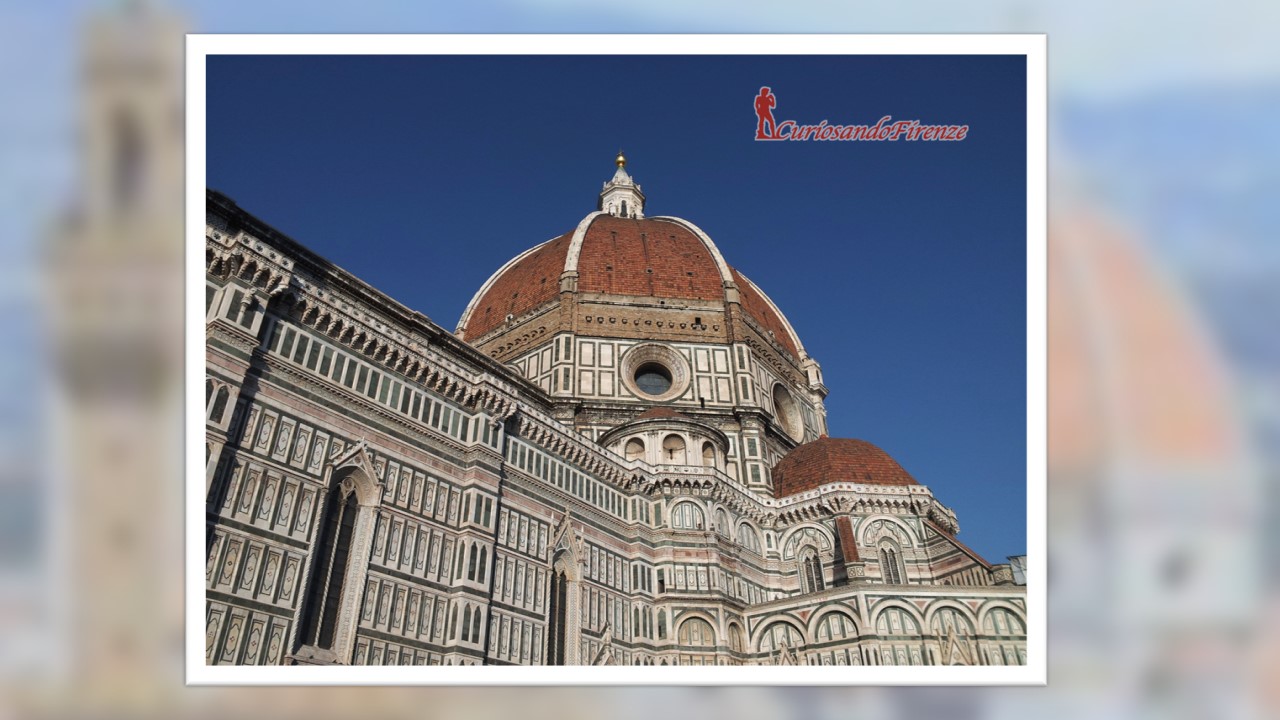
Brunelleschi‘s Dome, built between 1420 and 1436, is the largest masonry dome in the world. It represents the supreme achievement of Renaissance engineering.
The main challenge was to cover a span of over 42 meters at a tremendous height. At the time, it was impossible to build wooden scaffolding (centering) large enough to support the weight during construction.
Filippo Brunelleschi solved the problem with a stroke of genius: a self-supporting structure. To reduce weight and ensure stability, he designed a double shell. The dome consists of two layers: a thicker, more resistant inner shell and a thinner outer shell. These two shells are connected by masonry ribs that distribute the weight optimally.
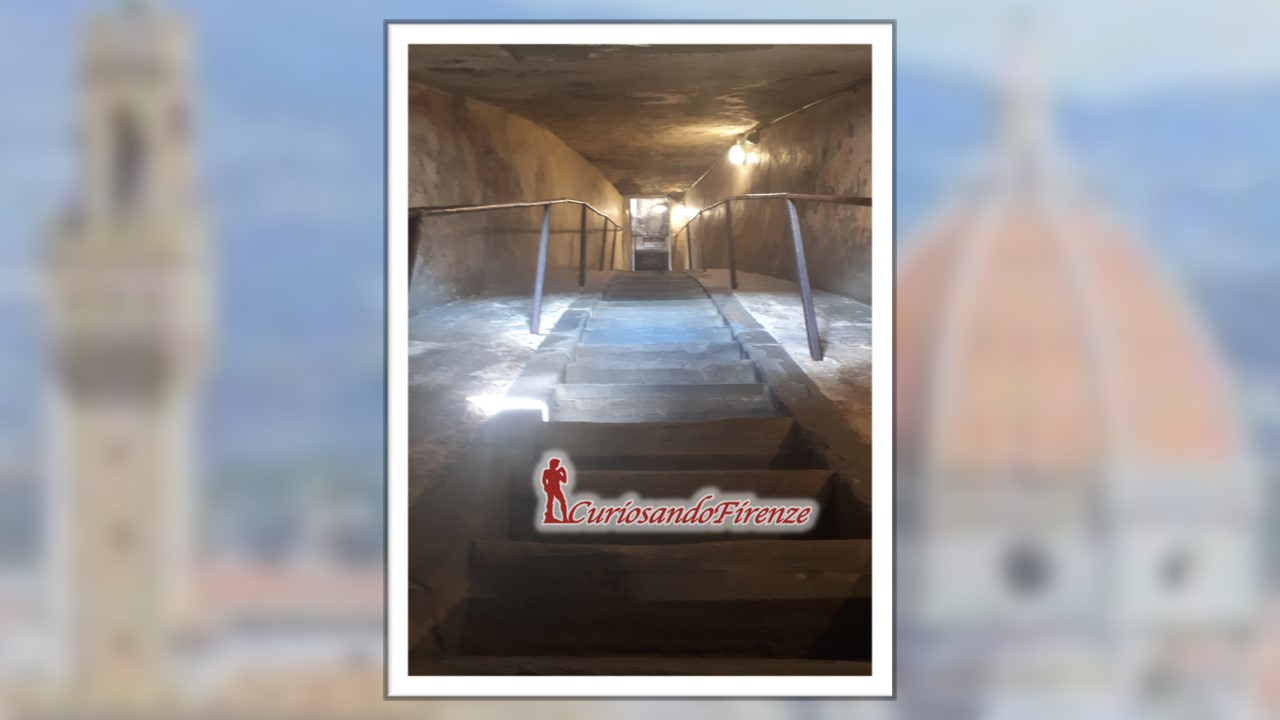
The Herringbone Technique (Spina di Pesce): The innovative arrangement of four million bricks in this special sequence allowed each ring of masonry to support the one above it. This transformed the dome into a self-supporting structure that grew progressively stable as it was completed.

The Anecdote of the Egg
Filippo Brunelleschi is the protagonist of a famous story. To secure the commission for the Dome, he challenged other architects to make an egg stand upright on a marble slab. They all failed. Brunelleschi, however, lightly crushed the tip of the egg against the marble to flatten its base, and the egg remained standing. With this gesture, he demonstrated that the best solutions are often the simplest and most unexpected.
The Interior Fresco
Beyond its engineering, the Dome is renowned for its art. The interior is decorated with an enormous fresco of the Last Judgment (Il Giudizio Universale). The work was begun by Giorgio Vasari and completed by Federico Zuccari. The fresco covers approximately 3,600 square meters and features nearly 700 figures. It is one of the largest and most spectacular pictorial decorations in the world.