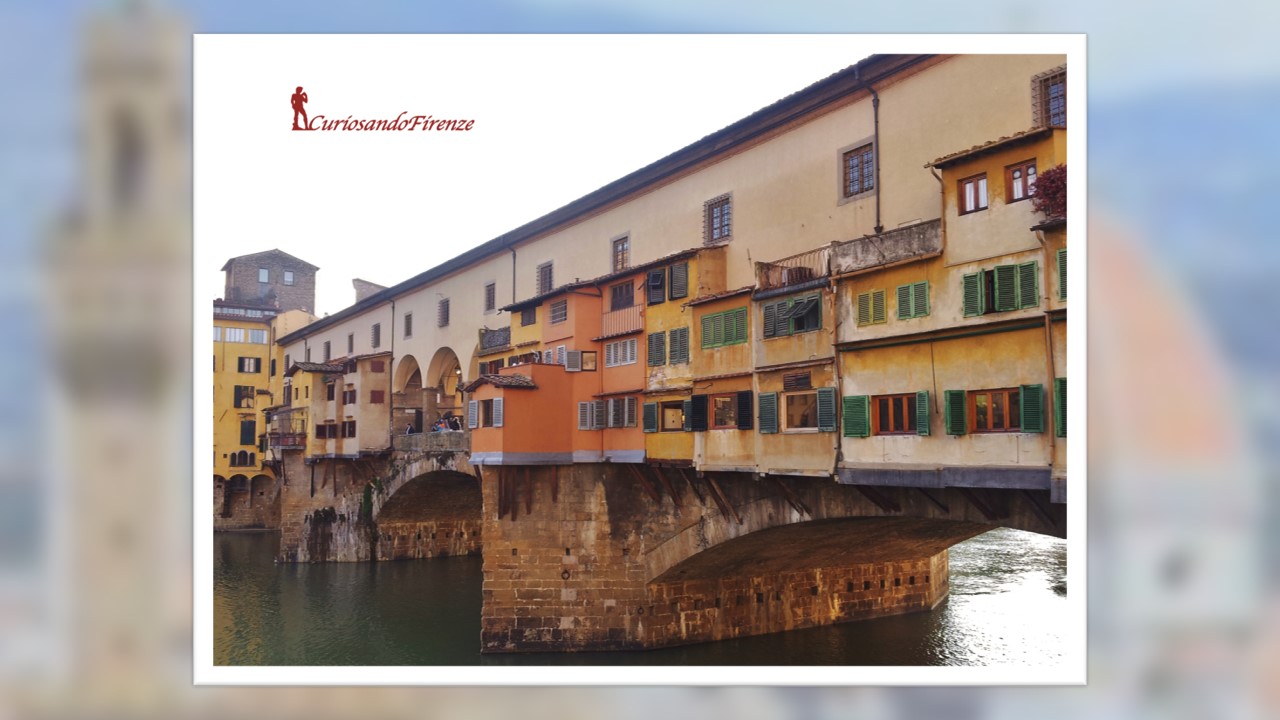
Ponte Vecchio, an invaluable symbol of the splendid city of Florence, boasts ancient origins. The first crossing in this stretch, originally made of wood, stood slightly further upstream than the current one, in the area now occupied by Piazza del Pesce.
Key Dates in the Bridge’s Turbulent History:
-
124 AD: During the expansion of the Via Cassia, Emperor Hadrian ordered the construction of a new structure called Ponte Marzio. This bridge featured solid masonry pillars topped by a wooden roadway. However, the force of the Arno river soon took its toll.
-
1177: A violent flood destroyed the bridge; it was subsequently rebuilt with three stone arches.
-
1218: The need for an additional crossing led to the construction of a second bridge further downstream, the Ponte alla Carraia, dubbed “Ponte Nuovo” (New Bridge). It was at this time that Ponte Marzio was officially renamed Ponte Vecchio (Old Bridge).
-
1322 and 1331: The bridge suffered significant damage due to fires.
-
1333: A catastrophic flood completely destroyed the structure. The reconstruction, vital for the city, was entrusted to Taddeo Gaddi.
-
1345: Gaddi completed the reconstruction of the bridge as we largely see it today.
-
1442: City authorities decreed that the shops on the bridge be occupied by the Beccai (butchers) to keep them away from the city center.
-
1565: A major structural change occurred with the creation of the Vasari Corridor by Giorgio Vasari—an elevated passageway running above the shops.
-
1593: The bridge’s purpose changed drastically when the butcher shops were replaced by goldsmiths, an iconic image that persists to this day.
-
1944: Ponte Vecchio is also known for an exceptional historical fact: it was the only bridge in Florence not blown up by retreating German troops during World War II.
 Il
Il